
Analysis of Long-Term Call Options (LEAPS) Risks, Opportunities, and Concentrated Exposure Management: Neuronetics Inc. (STIM) Case
Unlock More Features
Login to access AI-powered analysis, deep research reports and more advanced features
About us: Ginlix AI is the AI Investment Copilot powered by real data, bridging advanced AI with professional financial databases to provide verifiable, truth-based answers. Please use the chat box below to ask any financial question.
Related Stocks
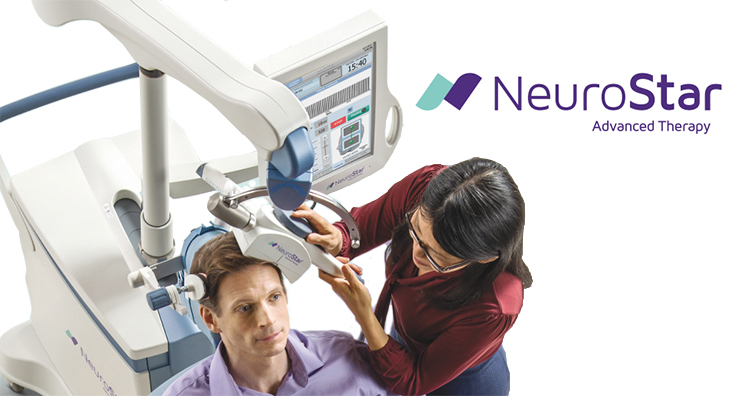
This analysis originates from a trader’s post about a $28,000 gain on long-term call options initially referenced under the ticker “NBIS”—a typo corrected to Neuronetics Inc.’s actual NASDAQ ticker, STIM [6]. STIM is a $97.93M market cap medical device company focused on Transcranial Magnetic Stimulation (TMS) therapy systems for major depressive disorder, with negative TTM EPS (-$0.83) and a healthy current ratio of 2.24 [0]. The stock exhibits high volatility (6.39% daily standard deviation) and a 52-week price range of $0.98–$5.92, with the trader’s gain likely coinciding with the peak price of $5.92 [0]. Despite a downward trend (trading below 20/50/200-day moving averages [0]), STIM has a consensus analyst price target of $8.00 (+459.4% from current $1.43) [0], creating a nuanced context for LEAP options trading.
- Volatility Amplifies Dual Outcomes: STIM’s high daily volatility [0] drove the trader’s $28,000 LEAP gain during the price spike to $5.92, but it also contributed to the subsequent sharp price decline to $1.43, illustrating how volatility intensifies both LEAP returns and risks.
- Analyst Optimism vs. Fundamental Realities: The $8.00 consensus price target [0] suggests long-term upside potential, but the company’s sustained net losses and negative EPS [0] increase uncertainty about whether STIM can reach this target before the LEAP expires.
- Time Decay Risk Escalates Over Time: For long-dated LEAPs, time decay (theta) accelerates in the final 6–12 months before expiration [2][3]. Given STIM’s current downward trend, holding the LEAP through its later stages could erase gains even if the stock stabilizes.
- Capital Efficiency: LEAPs allow control of more shares with less upfront capital than buying stock outright [1]. For example, a 2-year LEAP on STIM would cost far less than purchasing 100 shares at its peak price.
- Limited Downside: Maximum loss is capped at the initial premium paid, avoiding unbounded losses associated with leveraged stock positions [3].
- Leveraged Upside: LEAP value rises with both intrinsic (stock price above strike) and extrinsic (time/volatility) value, amplifying returns if STIM reaches the analyst target [3].
- Time Decay (Theta): Extrinsic value erodes over time, accelerating near expiration and reducing LEAP value even if STIM’s price remains flat [2][3][1].
- Higher Initial Premiums: Extended time to expiration increases LEAP premiums, raising the breakeven point for profitability [3].
- Expiration Risk: If STIM stays below the strike price at expiration, the entire premium is lost [4].
- Volatility (Vega) Risk: A decline in implied volatility can reduce LEAP value even with slight stock price gains, especially for out-of-the-money options [0].
- Concentrated Exposure: Overallocating to a single volatile small-cap like STIM amplifies downside risk if the stock declines further [0].
Neuronetics Inc. (STIM) is a volatile small-cap medical device company with a $8.00 analyst price target but negative earnings. Long-term call options (LEAPS) on STIM offer capital efficiency, limited downside, and leveraged upside but carry significant risks from time decay, high premiums, expiration, and concentration. To manage concentrated exposures, investors can deploy strategies like the poor man’s covered call (pairing LEAPs with short-term call sales [2]), call spreads (capping upside to reduce premium cost [5]), diversification (limiting capital per position [0]), and active monitoring (tracking time decay and stock trends as expiration nears [2]).
No image was provided, so this section is not applicable.
Insights are generated using AI models and historical data for informational purposes only. They do not constitute investment advice or recommendations. Past performance is not indicative of future results.
About us: Ginlix AI is the AI Investment Copilot powered by real data, bridging advanced AI with professional financial databases to provide verifiable, truth-based answers. Please use the chat box below to ask any financial question.