
Analysis of Excess Return Sources and Allocation Strategies for Strategic Value Indices
About us: Ginlix AI is the AI Investment Copilot powered by real data, bridging advanced AI with professional financial databases to provide verifiable, truth-based answers. Please use the chat box below to ask any financial question.
Based on the information you provided, I will systematically analyze the sources of excess returns of strategic value indices compared to pure value indices, as well as allocation strategies in different market environments.
Strategic value indices form
- Enhance risk diversification: Different factors complement each other in different market environments, reducing the overall volatility of the portfolio
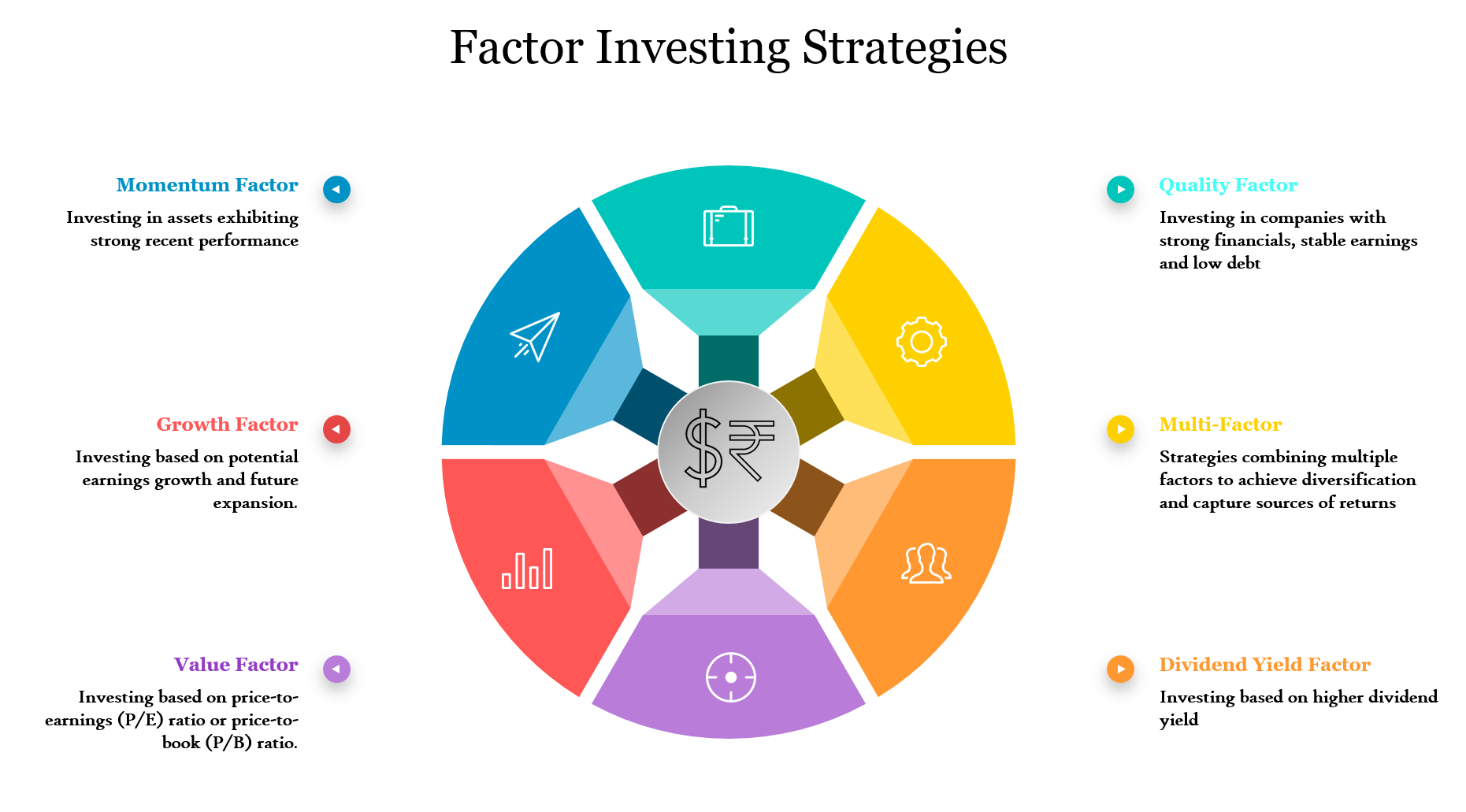
- Diversify income sources: Value factors provide long-term mean reversion returns, quality factors provide stability premiums, and momentum factors capture trend effects
Quality factors are mainly screened through the following indicators:
- Profit quality: ROE, ROA and other profitability indicators
- Financial health: Low debt ratio, stable cash flow
- Profit stability: Sustainability of profit growth
Quality factors effectively avoid the “value trap” problem in traditional value investing and improve the accuracy of stock selection.
Low volatility factors contribute excess returns through the following mechanisms:
- Volatility paradox: Low volatility stocks often have higher long-term returns than high volatility stocks
- Bear market defensiveness: Relatively resilient during market declines
- Compounding effect: Smaller drawdowns are beneficial for long-term compounding
Dividend value factors combine:
- Dividend stability: Sustained dividend-paying ability reflects the financial soundness of the company
- Cash flow certainty: Provides investors with certain cash flow returns
- Reinvestment opportunities: Dividends can be used for reinvestment to enhance compounding effects
- Win rate 90%, 10-year return 297%
- Advantage: Balanced comprehensive factor allocation, outstanding performance in bull markets
- Risk: Relatively high volatility, suitable for investors with strong risk tolerance
- Win rate 80%, 10-year return 197%
- Advantage: Obvious low volatility characteristics, strong defensiveness in bear markets
- Applicable: Conservative investors who focus on principal safety
- Win rate 80%, return 266%
- Advantage: High weight of momentum factor, strong trend capture ability
- Applicable: Market environments with clear trends
- Win rate 70%, relatively stable performance
- Feature: Relatively balanced factor weights, both offensive and defensive capabilities
In markets with clear upward trends:
- Momentum factors perform prominently in bull markets
- Significant trend tracking effect
- Quality factors ensure good fundamentals
- Value factors provide a margin of safety
- Growth stocks usually outperform value stocks in bull markets
- Enhance offensiveness through satellite allocation
In falling or sideways markets:
- Low volatility factors provide defensiveness
- Dividend income provides cash flow support
- Balanced factor allocation resists extreme market conditions
- Quality factors screen targets with strong resilience to declines
- Seize rebound opportunities
- Reduce overall risk exposure of the portfolio
In range-bound sideways markets:
- Balanced allocation adapts to markets with unclear directions
- Quality factors provide stability
- Low volatility factors are effective in sideways markets
- Dividend income enhances holding returns
- Economic growth drives improvement in corporate profits
- Risk appetite increases, momentum factors benefit
- Defensive assets are relatively scarce during economic downturns
- Low volatility factors perform prominently
- Value factor effect is strongest
- Quality factors ensure no excessive risk exposure
- Defense is crucial in the valuation bubble stage
- Dividend income provides relative certainty
- Factor failure risk: Any factor may fail in a specific period, so diversified allocation is needed
- Style switching risk: Market style rotation may affect relative performance
- Liquidity risk: Some strategic index funds are small in size, so liquidity needs to be paid attention to
- Tracking error risk: Index funds may have tracking deviations from the index
Strategic value indices do have better risk-return characteristics than pure value indices through multi-factor integration, but investors still need to make dynamic adjustments according to their own risk preferences and market environments to avoid excessive concentration of a single strategy.
[1] Investopedia - Understanding Factor Investing: A Strategy for Market Savvy (https://www.investopedia.com/terms/f/factor-investing.asp)
[2] Investopedia - Understanding Multi-Factor Models: Key Concepts and Formula (https://www.investopedia.com/terms/m/multifactor-model.asp)
[3] Jinling API Data - Market Index Data
Insights are generated using AI models and historical data for informational purposes only. They do not constitute investment advice or recommendations. Past performance is not indicative of future results.
About us: Ginlix AI is the AI Investment Copilot powered by real data, bridging advanced AI with professional financial databases to provide verifiable, truth-based answers. Please use the chat box below to ask any financial question.