
Chicago Journalist Criticizes Mayor Johnson’s Fiscal Policies Amid Budget Deadlock
About us: Ginlix AI is the AI Investment Copilot powered by real data, bridging advanced AI with professional financial databases to provide verifiable, truth-based answers. Please use the chat box below to ask any financial question.
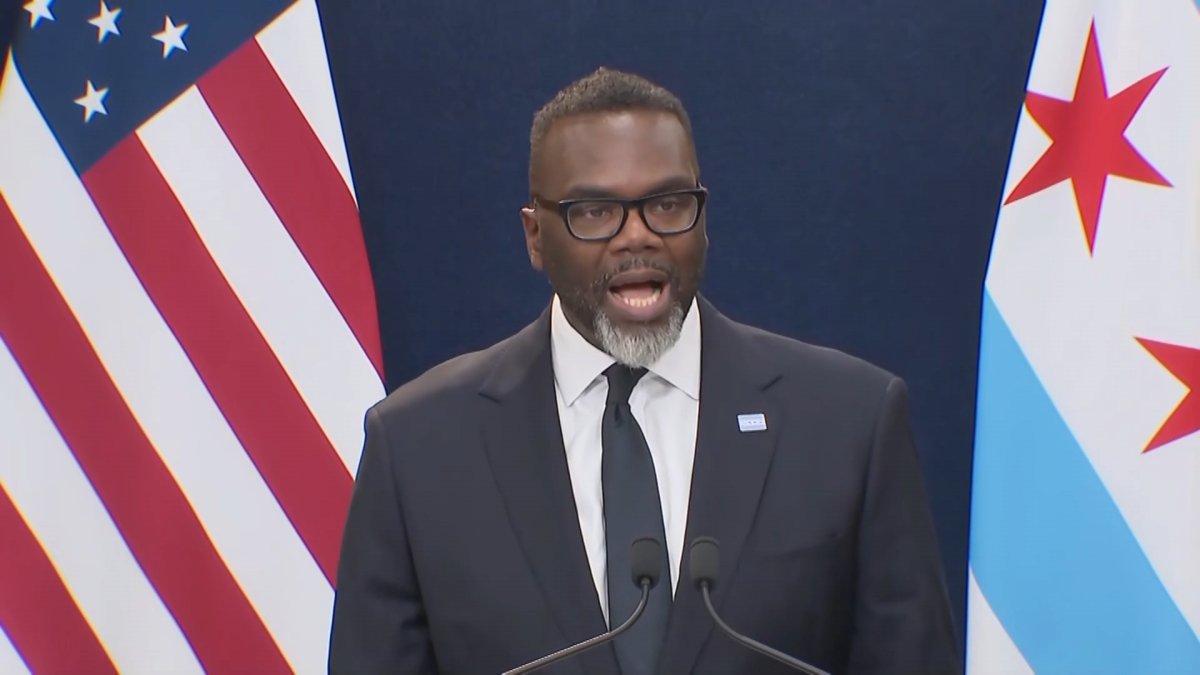
This analysis is based on a Fox Business segment featuring Chicago journalist William J. Kelly [0], alongside external reports on Chicago’s fiscal situation. On December 17, 2025, Kelly accused Mayor Brandon Johnson of “bankrupting our city” and criticized his proposed tax hikes, including a $33 monthly corporate head tax per employee for large businesses and a 15% tax on digital goods (up from 11%) [1]. Johnson’s budget has faced widespread criticism from groups like the Civic Federation, which argues it relies on short-term gimmicks—such as diverting surplus funds and slashing pension payments—that threaten long-term economic growth [2]. The city’s operating budget has grown nearly 40% since 2019, largely supported by temporary federal pandemic funds now exhausted, leaving Chicago with a structural deficit [2].
Adding to the fiscal tension, Chicago is in a budget deadlock, with rival proposals (including a plastic bag tax increase and ad revenue initiatives) advancing through the Finance Committee [1]. Johnson has dismissed these alternatives as “immoral” and “not feasible,” while alderpersons and business groups push back against his progressive tax measures, warning they could drive businesses out of the city [3]. Kelly’s call for Trump to withhold federal funds adds a political layer to the crisis, though the exact condition he demands (“THIS”) remains unclear due to limited access to the full video content [0].
The event reflects broader concerns about Chicago’s fiscal sustainability and political divisions over budget solutions. The Civic Federation’s criticism highlights the danger of relying on temporary fixes when permanent structural reforms are needed [2]. Johnson’s focus on progressive taxes—avoiding property tax hikes—has created a stalemate that could result in a city shutdown if unresolved [3]. Kelly’s public critique, amplified by a national network appearance, underscores growing frustration with the city’s financial direction, which could influence both local policy debates and federal funding decisions if his call gains traction.
- Worsening fiscal crisis if federal funds are withheld (though the condition is unknown) [0].
- Business flight and reduced economic growth if Johnson’s proposed tax hikes are implemented [2].
- City shutdown due to budget deadlock, delaying essential services [3].
- The deadlock may force compromise on more sustainable budget solutions that balance revenue needs with economic competitiveness.
- Public pressure, including Kelly’s critique, could push Johnson to revise his proposed tax measures to address business concerns.
- Chicago’s budget has grown 40% since 2019, supported by exhausted temporary federal funds [2].
- Johnson proposes a $33 monthly corporate head tax and 15% tax on digital goods [1].
- The city faces a budget deadlock with rival proposals advancing [3].
- Kelly called on Trump to withhold federal funds until an unspecified condition is met [0].
- The Civic Federation warns Johnson’s budget uses short-term gimmicks [2].
Critical information gaps include the exact condition Kelly demands and full details of his on-air comments, due to crawl tool limitations with video URLs [0].
Insights are generated using AI models and historical data for informational purposes only. They do not constitute investment advice or recommendations. Past performance is not indicative of future results.
About us: Ginlix AI is the AI Investment Copilot powered by real data, bridging advanced AI with professional financial databases to provide verifiable, truth-based answers. Please use the chat box below to ask any financial question.